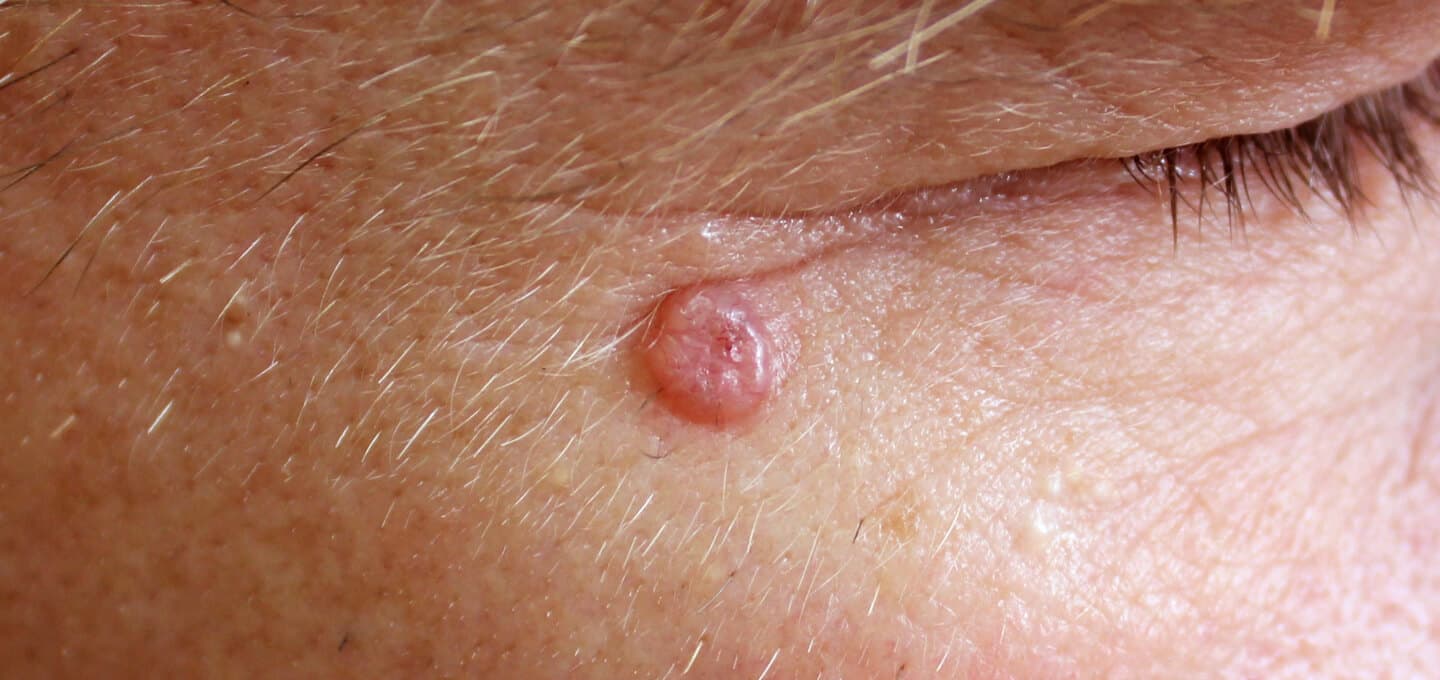
Basal Cell Carcinoma: What It Is and How It’s Treated
Basal cell carcinoma (BCC) is one of the most common types of malignant skin tumors. Although it is rarely fatal, it should not be ignored, as it can cause tissue damage and disfigurement if left untreated.
What Causes Basal Cell Carcinoma?
The primary cause of BCC is prolonged exposure to ultraviolet (UV) radiation. The cancer typically develops on areas of skin that receive the most sun exposure, especially the face, nose, forehead, cheeks, and eyelids.
Other contributing factors include:
-
Outdoor work or activities with regular sun exposure
-
Male sex (BCC is more common in men than women)
-
Previous history of basal or squamous cell skin cancer
-
Age (risk increases with age; average age of diagnosis is 68 years)
-
Severe sunburns in the past
-
Family history of BCC
-
Fair skin, red or light hair
-
Exposure to certain chemicals (e.g., arsenic)
-
Weakened immune system (due to illness or treatment)
-
Genetic predisposition
-
Smoking (especially among women)
Symptoms and Appearance
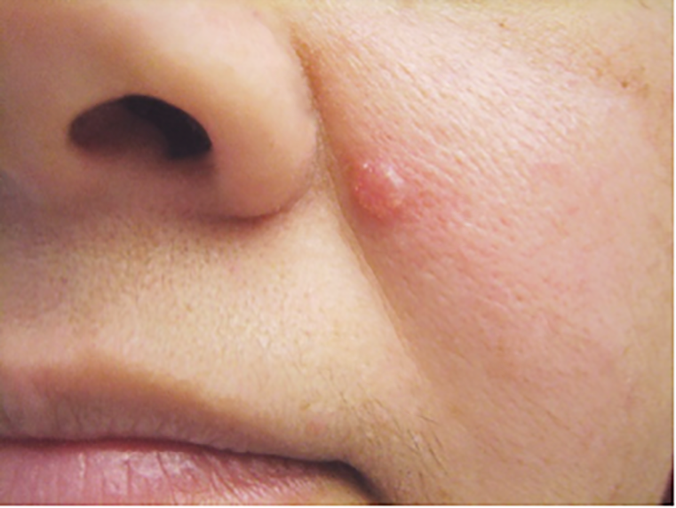
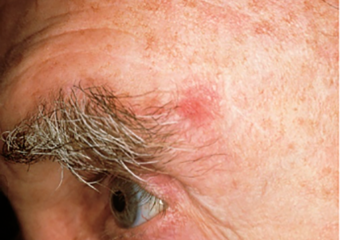
Basal cell carcinoma often presents as:
-
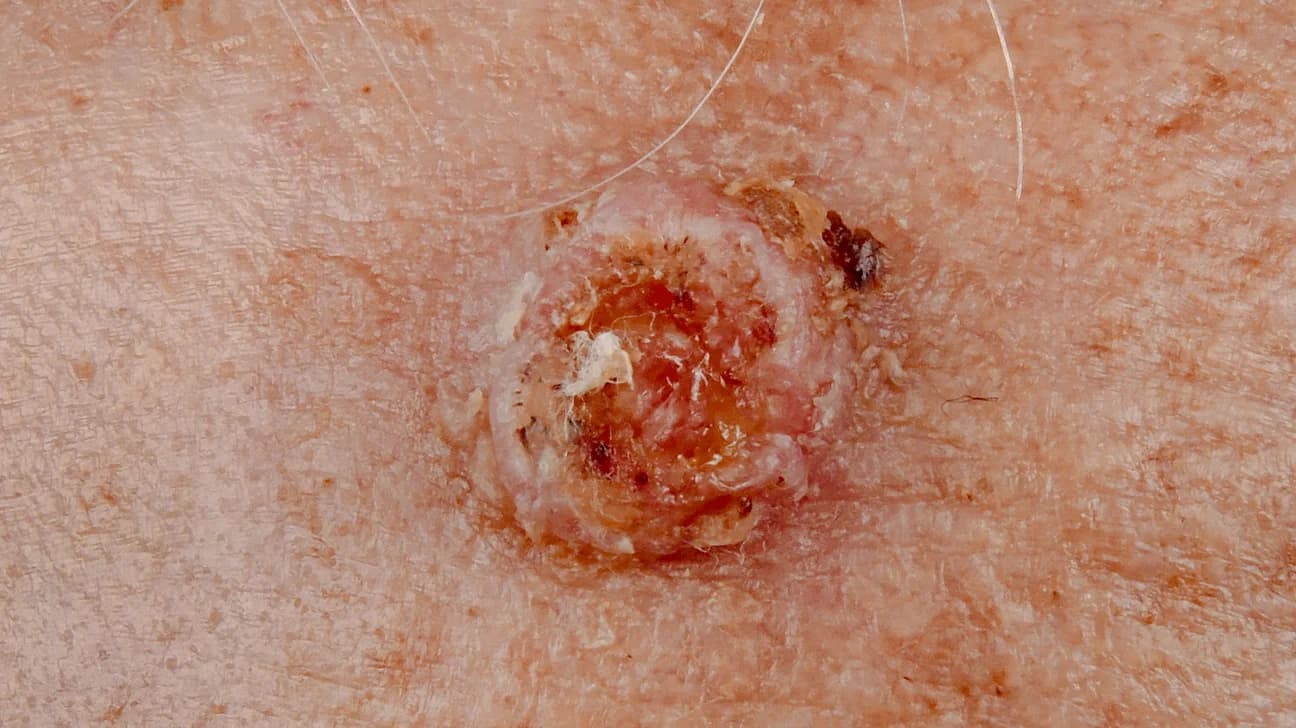
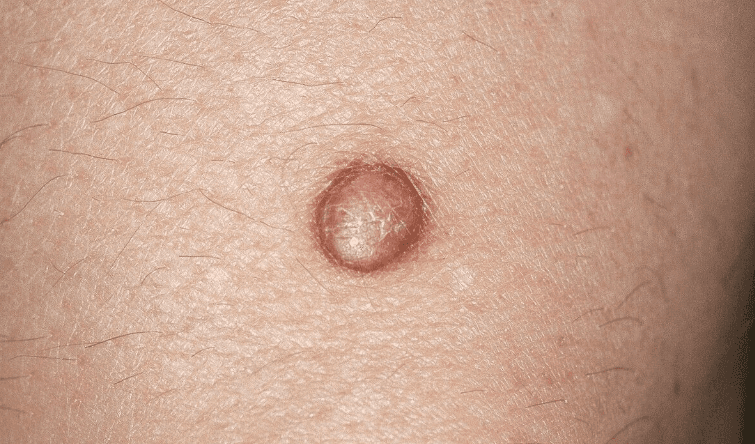
A shiny, raised bump or nodule that may range in color from skin-toned to pink
-
Visible blood vessels (telangiectasia) on the surface
-
A sore that won’t heal or keeps reopening
-
In people with darker skin tones, the lesion may be darker in color
-
Lesions most often appear on sun-exposed areas such as:
-
The nose
-
Forehead
-
Cheeks
-
Around the lips
-
The eyelids
-
Over time, the lesion may grow larger, ulcerate, or bleed. Patients often seek medical attention because of a non-healing wound or a persistent bump.
ARTICLE_GIF
Diagnosis
A diagnosis is typically suspected during clinical examination and medical history. To confirm the diagnosis and determine the subtype, a skin biopsy is performed and sent for histological analysis.
Treatment Options
Treatment plans are tailored individually and depend on the patient’s age, sex, tumor location, size, and type.
The main goals of treatment are to:
-
Completely remove the lesion
-
Prevent early recurrence
-
Achieve the best possible cosmetic outcome, especially since most lesions appear on the face
Available treatment methods include:
-
Surgical excision (the primary treatment)
-
Radiation therapy (used when surgery is not an option)
-
Cryotherapy (freezing the tumor; suitable for low-risk cases)
-
Topical medications
-
Systemic drug therapy (for advanced or inoperable cases)
Prognosis and Follow-Up
Basal cell carcinoma has an excellent prognosis with very low mortality. However, due to its high risk of local recurrence, long-term follow-up with a dermatologist is essential.