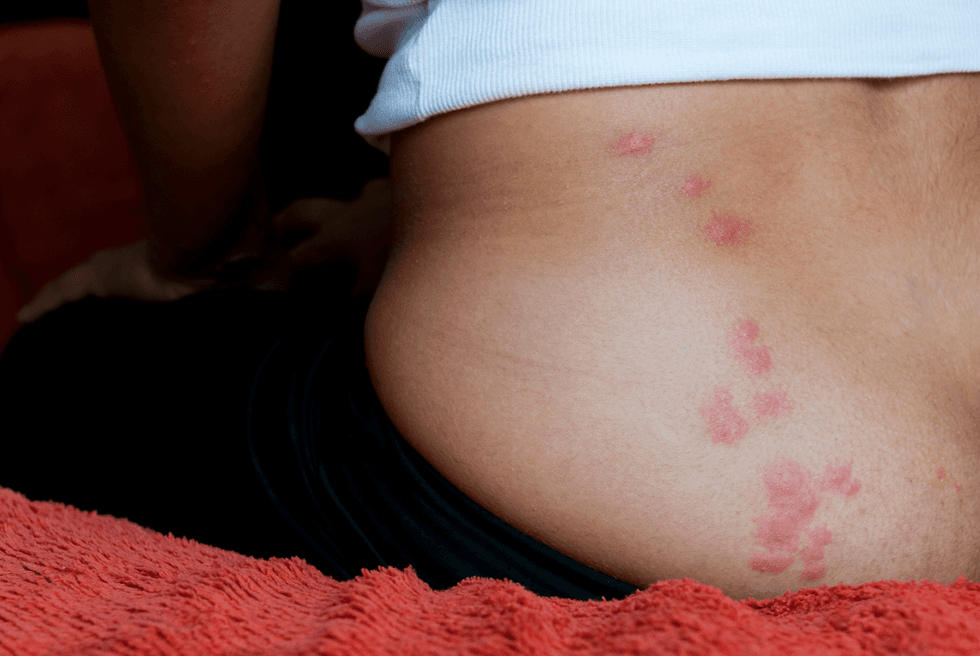
Chemotherapy is one of the most widely used cancer treatments, but in addition to targeting cancer cells, it also affects healthy rapidly-dividing cells — including those of the skin, hair, nails, and mucous membranes. As a result, many patients undergoing chemotherapy experience skin-related side effects that may affect comfort, appearance, and overall quality of life.
Timely recognition of symptoms, proper skincare, and support from a dermatologist can significantly improve how patients feel throughout treatment.
Common Skin-Related Symptoms and Changes
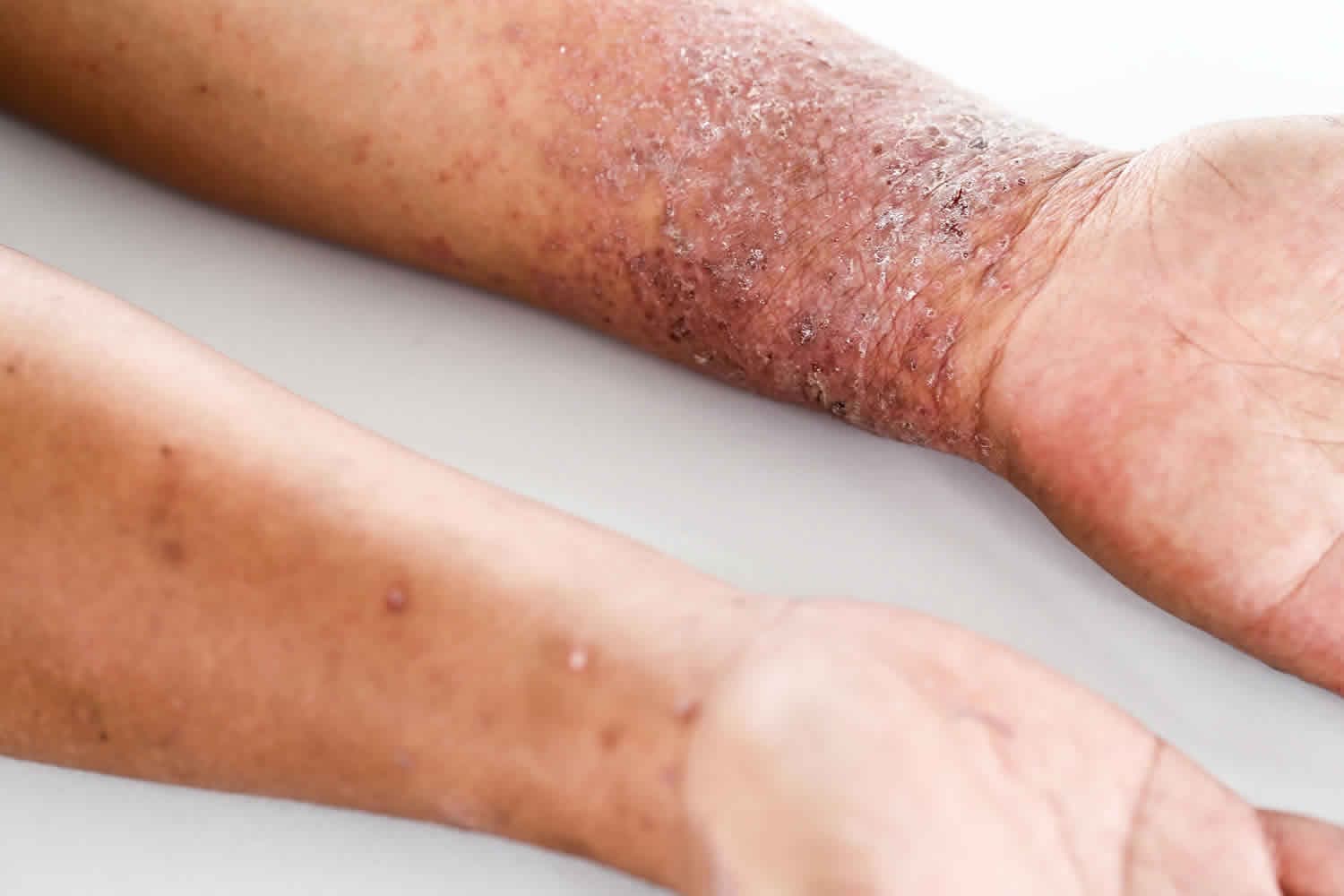
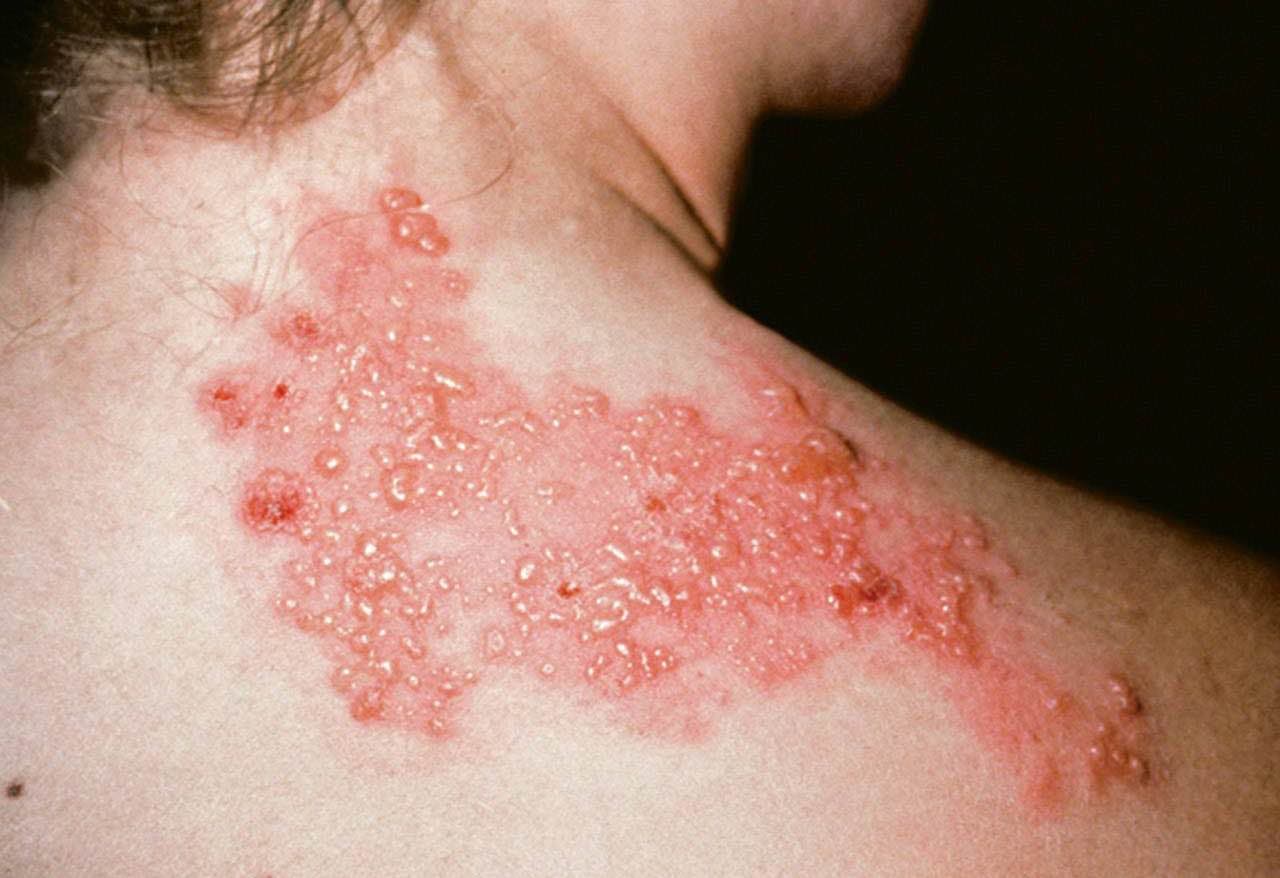
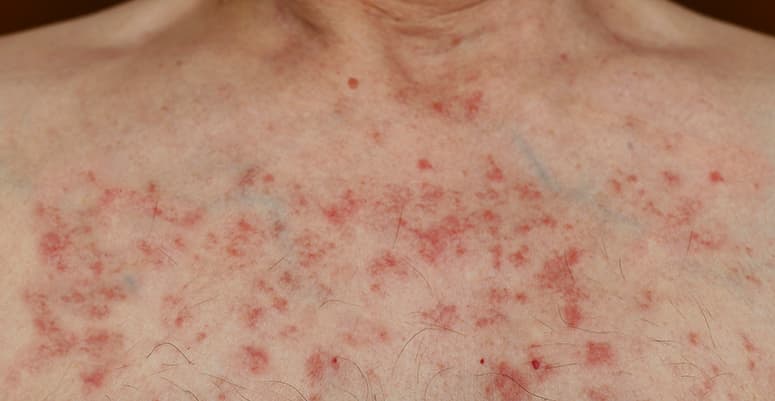
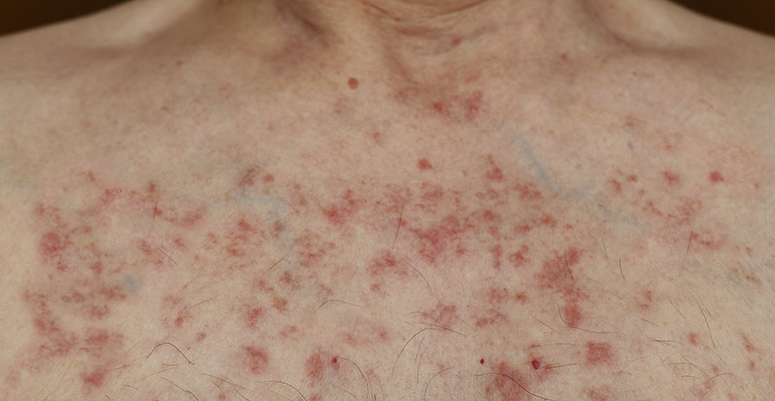
Rashes (papulopustular eruptions)
-
Red bumps and small pus-filled spots (papules and pustules)
-
Often appear on the face, scalp, chest, and upper back
-
May cause itching, burning, or discomfort
-
Often linked to immune system reactions
-
Management: gentle cleansing, moisturizing creams, avoid temperature extremes
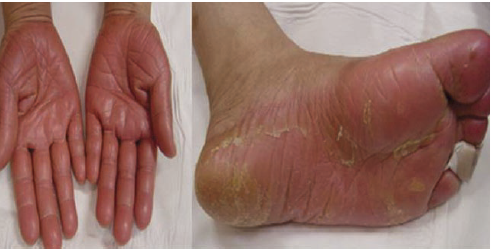
Hand-Foot Syndrome
-
Redness, swelling, tingling, and burning in the palms and soles
-
In severe cases, skin may peel, crack, or form ulcers
-
Main treatment: pause chemotherapy, apply intensive moisturizers, protect skin
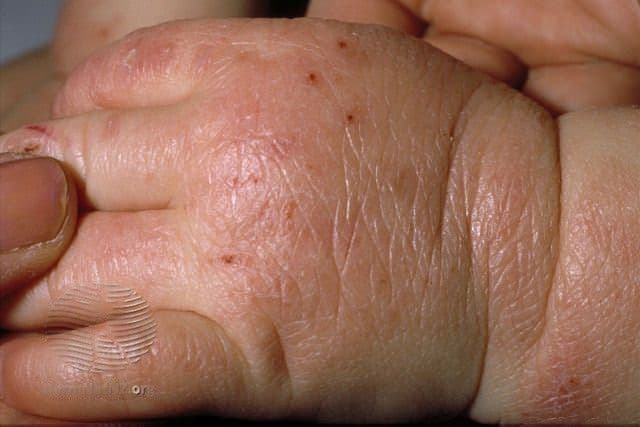
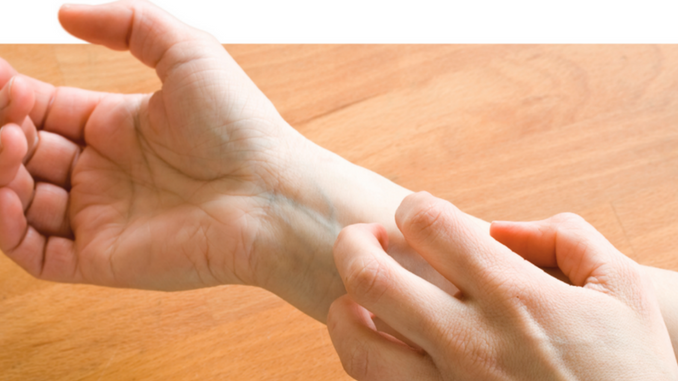
Itching (pruritus)
-
Can be acute (allergic reaction) or chronic (dry skin)
-
Management: moisturizers, antihistamines (prescribed by a doctor), hydration
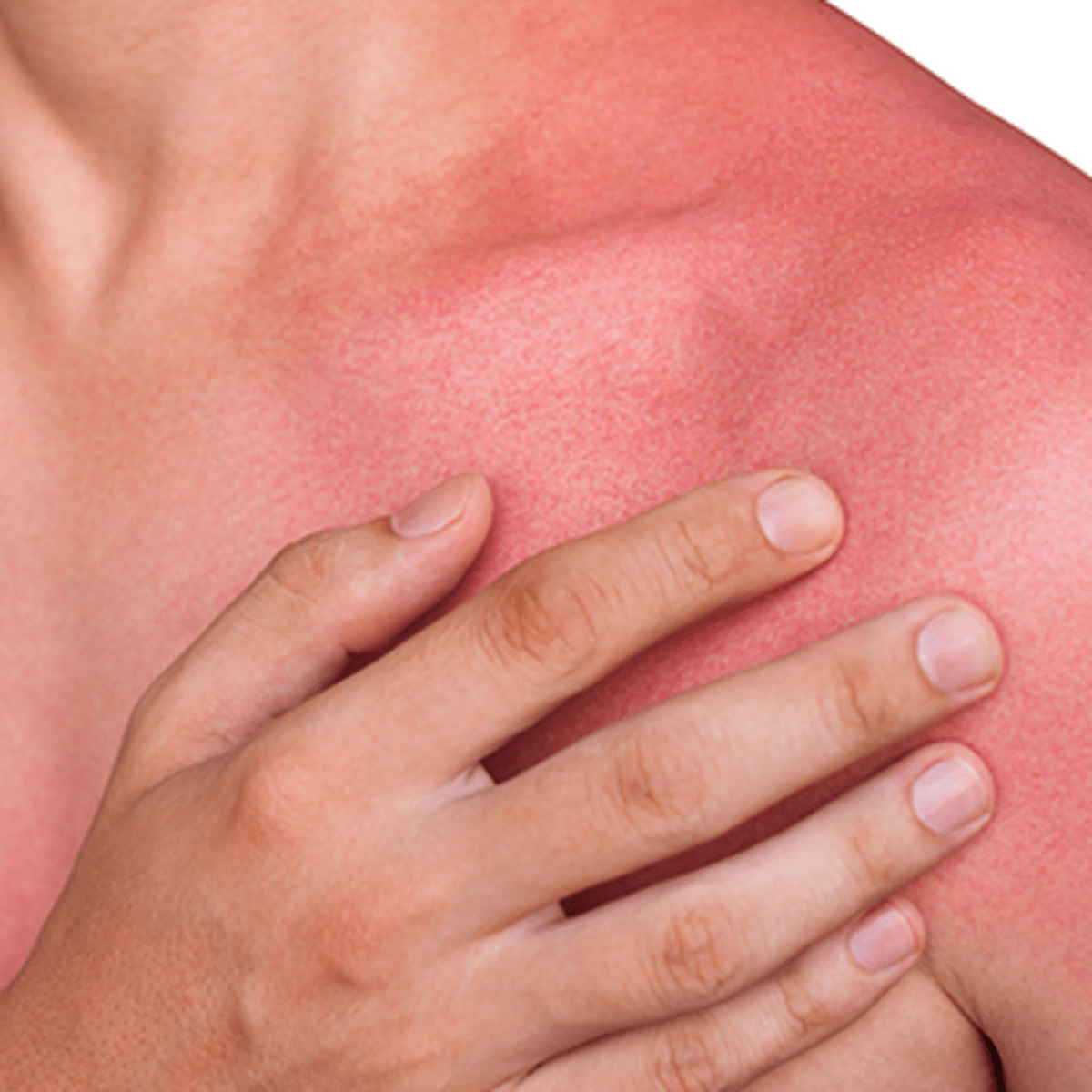
Photosensitivity (sun sensitivity)
-
Higher risk of sunburns and rashes with sun exposure
-
Recommendations: avoid direct sun, wear protective clothing, use SPF 50+ sunscreen
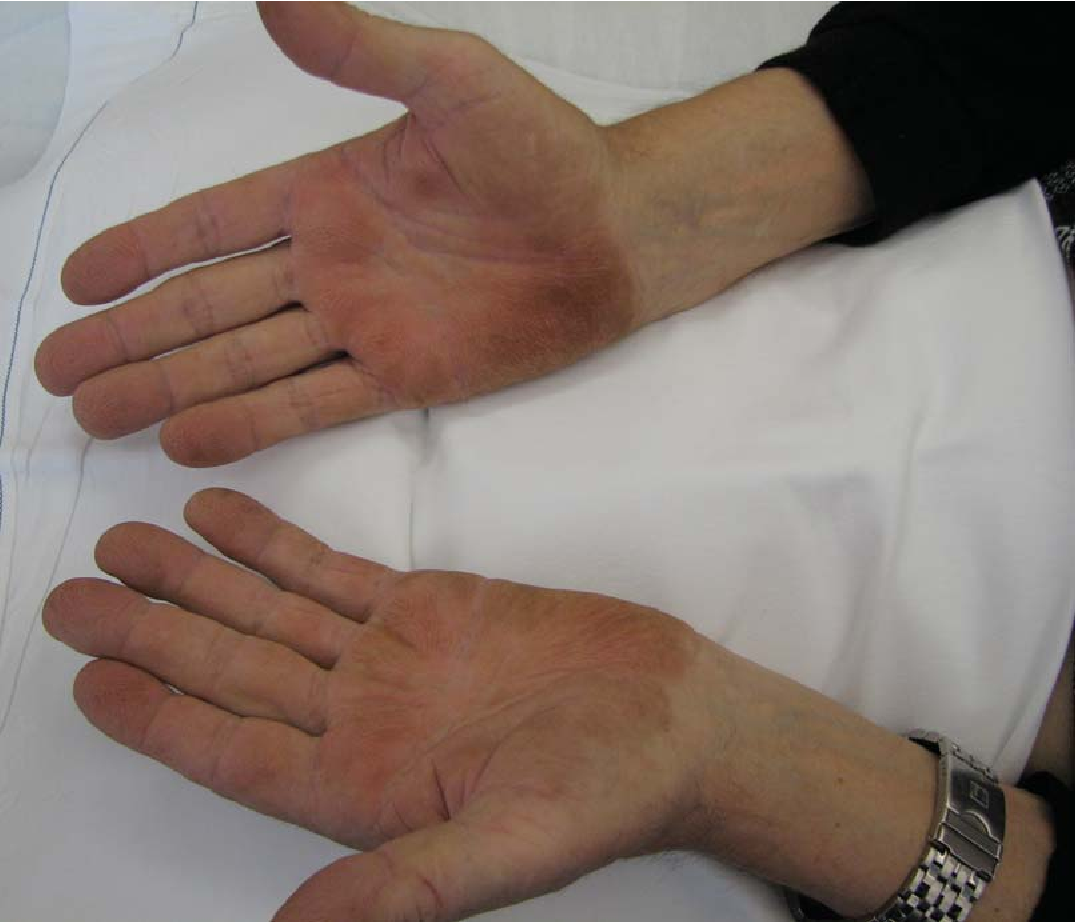
Hyperpigmentation
-
Dark spots or discoloration, commonly on the face, hands, or nails
-
Usually fades after treatment
-
In some cases, oral medications may be needed to reduce itching
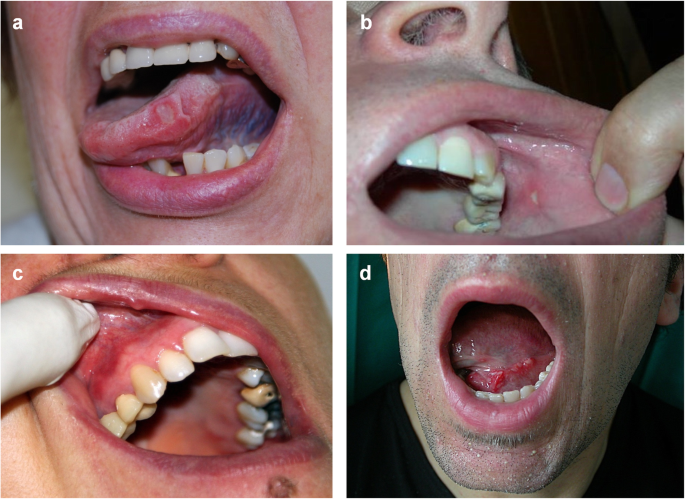
Mucositis (inflammation of mucous membranes)
-
Painful sores in the mouth
-
Can make eating and drinking difficult
-
May lead to dehydration or weight loss
-
Treatment: anti-inflammatory rinses, pain relief as needed
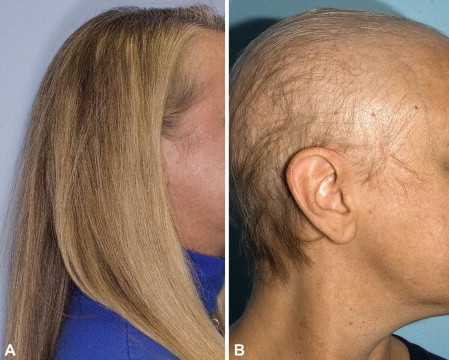
Hair Loss (Alopecia)
-
Affects hair in the anagen (growth) phase
-
Hair may thin or fall out in patches
-
Typically grows back within 3–6 months after treatment ends
-
Tips: gentle scalp care, avoid harsh hair products
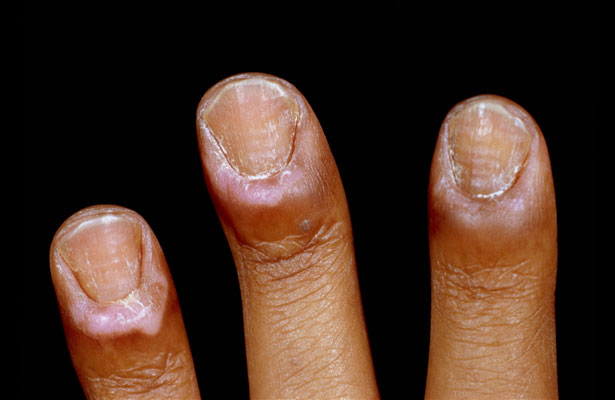
Nail Changes (Paronychia)
-
Pain, redness, and swelling around the nails
-
May be caused by bacteria, fungi, or viruses due to immune suppression
-
Treatment depends on the cause; in rare cases, surgical help is needed
When to See a Doctor
Contact a doctor or dermatologist if you notice:
-
Painful or spreading rashes
-
Intense or persistent itching
-
Ulcers, cracking, or bleeding skin
-
Sudden or extensive hair or nail loss
-
Signs of infection (fever, pus, swelling)
Skincare Tips During Chemotherapy
-
Use gentle, fragrance-free cleansers
-
Moisturize the skin regularly with rich creams
-
Avoid hot showers, scrubbing, or exfoliating
-
Protect skin from cold, wind, and sun
-
Wear soft, breathable clothing
-
Drink plenty of water to stay hydrated from within
Conclusion
Skin changes during chemotherapy are common but usually temporary. With proper skincare, symptom management, and the guidance of a dermatologist, most side effects can be reduced or controlled. Early attention to skin problems helps patients feel more comfortable and maintain better quality of life during cancer treatment.