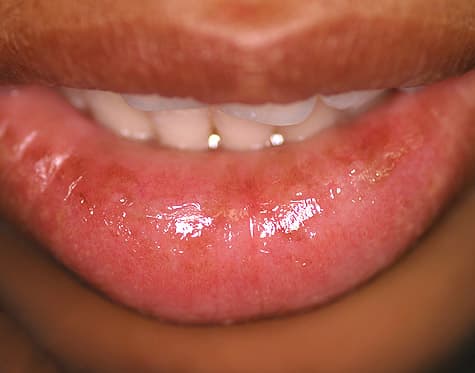
What Is Glandular Cheilitis?
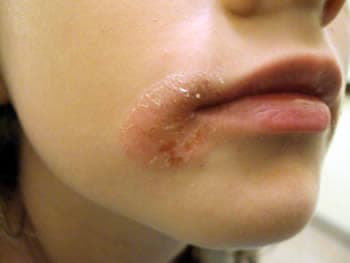
Glandular cheilitis (cheilitis glandularis) is a rare but uncomfortable inflammatory skin condition that most often affects the lower lip.
It can occur in both men and women, but is most common among older men.
The exact causes of the disease are not fully understood, but several factors may increase the risk:
-
Smoking – irritants in tobacco can inflame the lip mucosa.
-
Lip trauma – frequent biting, licking, or cracking can contribute to the condition.
-
Sun exposure – ultraviolet rays may trigger inflammatory reactions.
Symptoms of Glandular Cheilitis
The main symptoms of glandular cheilitis usually appear on the lower lip:
-
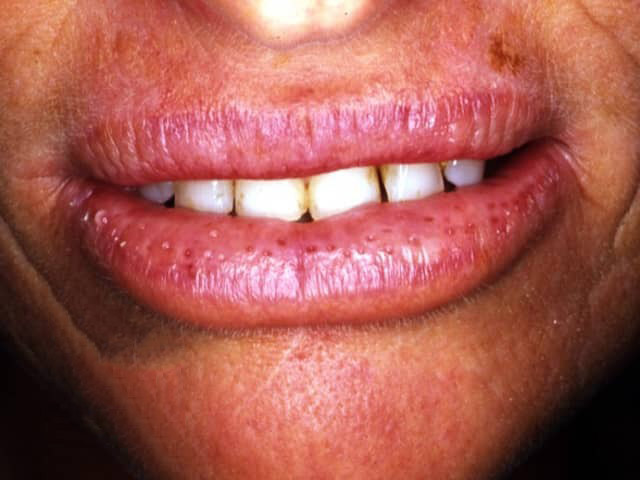
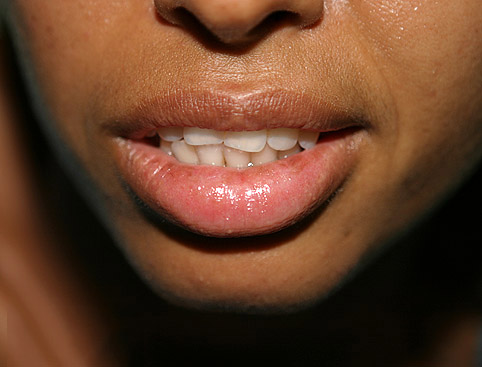
Swelling and puffiness – may be constant or periodic.
-
Uneven lip surface – visible bumps and irregular texture.
-
Small openings on the lip surface – from which saliva may ooze.
-
Tightness and dryness – a common feeling during the course of the condition.
If symptoms persist or worsen, it is important to consult a dermatologist or dermatovenereologist.
How Glandular Cheilitis Is Diagnosed
Diagnosis is usually made through physical examination and a review of the patient’s medical history.
In rare cases, a skin biopsy may be performed, but it is often nonspecific and serves as a supportive test.
ARTICLE_GIF
Treatment for Glandular Cheilitis
Treatment depends on the severity of the disease and the patient’s condition.
In mild cases, preventive care may be sufficient, but when symptoms are more pronounced, treatment may include:
-
Antibiotic therapy – topical or oral antibiotics prescribed if infection is suspected.
-
Hormonal ointments or injections – help reduce inflammation and swelling.
-
Surgical treatment – in severe or recurrent cases, partial removal of the affected lip tissue may be considered.
How to Prevent Glandular Cheilitis Flare-ups
-
Avoid licking your lips – it irritates the skin and promotes inflammation.
-
Do not use scented or tinted lip balms – they can cause additional irritation.
-
Protect your lips from UV exposure – use lip care products with SPF.
-
Quit smoking – tobacco smoke aggravates inflammation and worsens the condition.
Conclusion
Glandular cheilitis is a rare but unpleasant inflammatory condition that primarily affects the lower lip. Recognizing the symptoms early and following proper care can help prevent complications. If you notice persistent lip problems, consult a dermatologist for personalized advice and treatment.