Melanoma is the most aggressive type of skin cancer. It can develop from a pre-existing mole or appear suddenly on healthy skin. Although melanoma accounts for a small percentage of all skin cancers, it causes the majority of skin cancer–related deaths. Early detection and proper treatment dramatically increase survival rates, which makes awareness of melanoma symptoms and risk factors critically important.
What is melanoma?
Melanoma is a malignant tumor that develops from melanocytes – the pigment-producing cells in the skin. It can appear in two ways:
-
De novo – on previously normal skin
-
From an existing mole – particularly if the mole is large, irregular, or has changed over time
Melanoma is more commonly diagnosed in:
-
Individuals with fair skin, light hair, and blue eyes
-
People aged between 20 and 70 (75% of melanomas are diagnosed before age 70)
-
Caucasian populations
-
Those frequently exposed to ultraviolet (UV) radiation, including sunlight and tanning beds
Risk factors
You may have an increased risk of developing melanoma if you:
-
Have a family history of melanoma
-
Have fair skin, blue or green eyes, light hair, freckles, or numerous moles
-
Spend a lot of time outdoors or use tanning beds
-
Have a weakened immune system
-
Belong to a lower socioeconomic group, where access to early diagnosis may be limited
Symptoms: How to recognize melanoma?
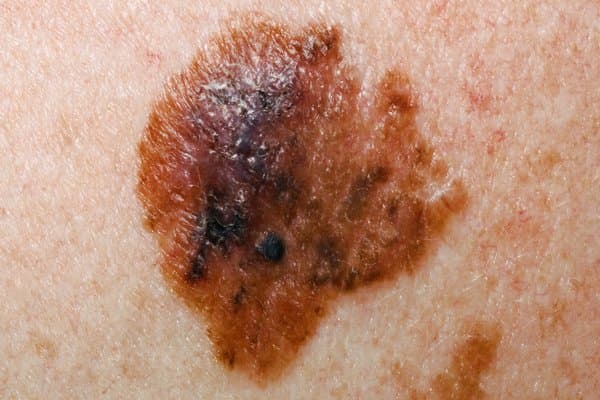
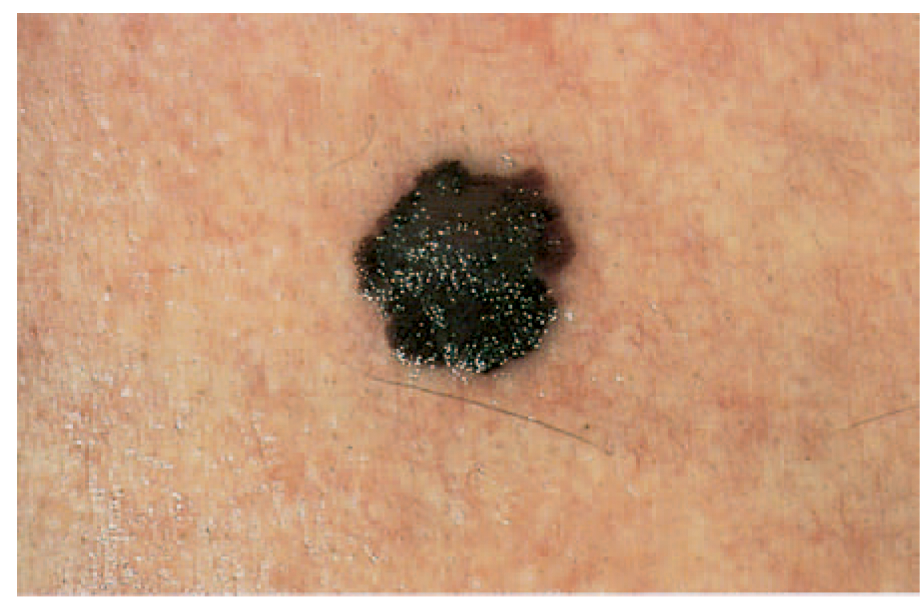
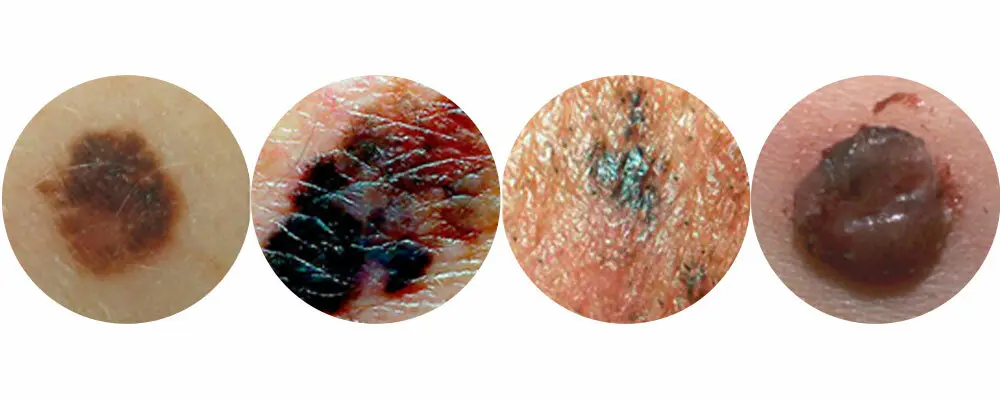
Melanoma often resembles a mole but changes over time. To identify potentially dangerous skin changes, follow the ABCDE rule:
-
A – Asymmetry: one half of the mole doesn’t match the other
-
B – Border: edges are irregular, ragged, or blurred
-
C – Color: uneven color, with shades of black, brown, red, white, or blue
-
D – Diameter: usually greater than 6 mm (about the size of a pencil eraser)
-
E – Evolving: the mole changes in size, shape, color, or texture over time
Other signs may include:
-
Itching, pain, or bleeding from the mole
-
Sores that don’t heal
-
Firm, raised texture
-
Enlarged lymph nodes (indicating potential spread)
-
Symptoms of metastasis (if the melanoma has spread to other organs)
When to see a doctor
You should contact a dermatologist if you:
-
Notice any changes in an existing mole or the appearance of a new one
-
Experience itching, bleeding, or non-healing wounds on the skin
-
Have multiple moles and want to know which ones need monitoring
-
Have a family history of melanoma
Diagnosis
A dermatologist will examine the lesion visually and with a dermatoscope. If melanoma is suspected, further steps include:
-
Complete surgical removal of the lesion with a margin of healthy skin
-
Histological (microscopic) examination to confirm whether the lesion is cancerous and determine its depth
-
Additional tests to assess the cancer stage:
-
Blood tests
-
Chest X-ray
-
Abdominal ultrasound
-
MRI or CT scan
-
PET scan (if metastasis is suspected)
-
Treatment options
Treatment is determined based on the stage of the disease:
-
Early-stage melanoma – usually treated with complete surgical excision of the tumor and, if necessary, nearby lymph nodes
-
Advanced melanoma – may require additional therapies such as:
-
Immunotherapy
-
Targeted therapy
-
Chemotherapy (less common)
-
Radiation therapy (for metastases)
-
Each treatment plan is customized to the patient’s condition and needs.
Prognosis
Melanoma prognosis depends on the stage at the time of diagnosis:
-
Stage I: 5-year survival rate > 90%
-
Stage II: 45–77%
-
Stage III: 27–70%
-
Stage IV (metastatic): less than 20%
The earlier the melanoma is diagnosed, the higher the chance of full recovery.
Conclusion
Melanoma is a serious, but often preventable and treatable form of skin cancer if detected early. Regular skin checks, sun safety, and awareness of changes in moles can significantly reduce your risk. If you notice any unusual changes on your skin, don’t wait — consult a dermatologist as soon as possible.