Menopause is a natural stage in a woman's life marked by hormonal changes that can significantly impact the skin, hair, and nails. Understanding these changes can help you better care for your skin and know when it's time to seek professional advice.
What Are Menopause-Related Skin Changes?
As estrogen levels decline during menopause, skin structure changes. Collagen and elastin production decrease, leading to thinner, drier, less elastic skin. The skin's ability to retain moisture and protect against environmental damage also weakens.
Causes and Risk Factors
-
Decrease in estrogen: Collagen levels can drop by up to 30% in the first 5 years
-
Elastin degradation: Loss of skin elasticity and firmness
-
Reduction in connective tissue: Skin becomes looser and less toned
-
Increased oxidative stress: More toxins accumulate, thinning the outer skin layer
-
Reduced glycosaminoglycans and sebum production: Skin becomes drier
-
Fewer blood vessels: Skin nourishment decreases
-
Relative increase in androgens: Can lead to acne and hair changes
Symptoms
-
Dry, thin skin
-
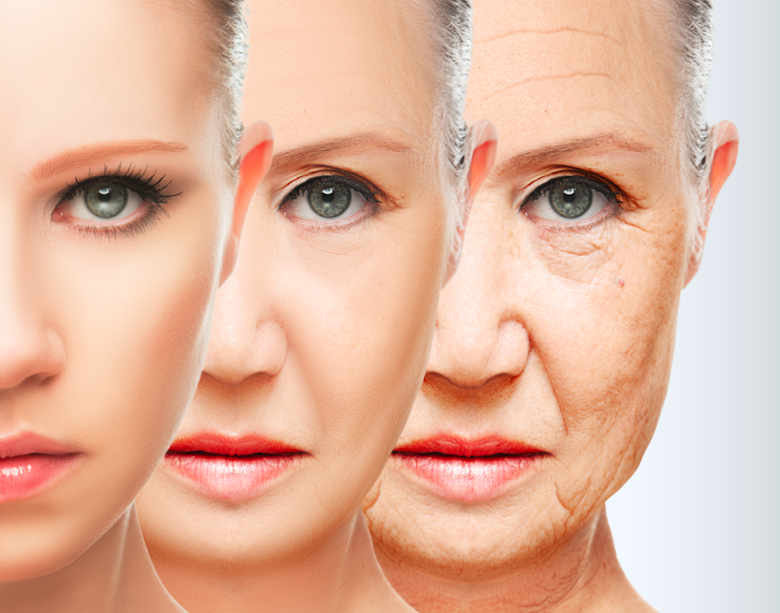
Wrinkle formation
-
Loss of firmness and elasticity
-
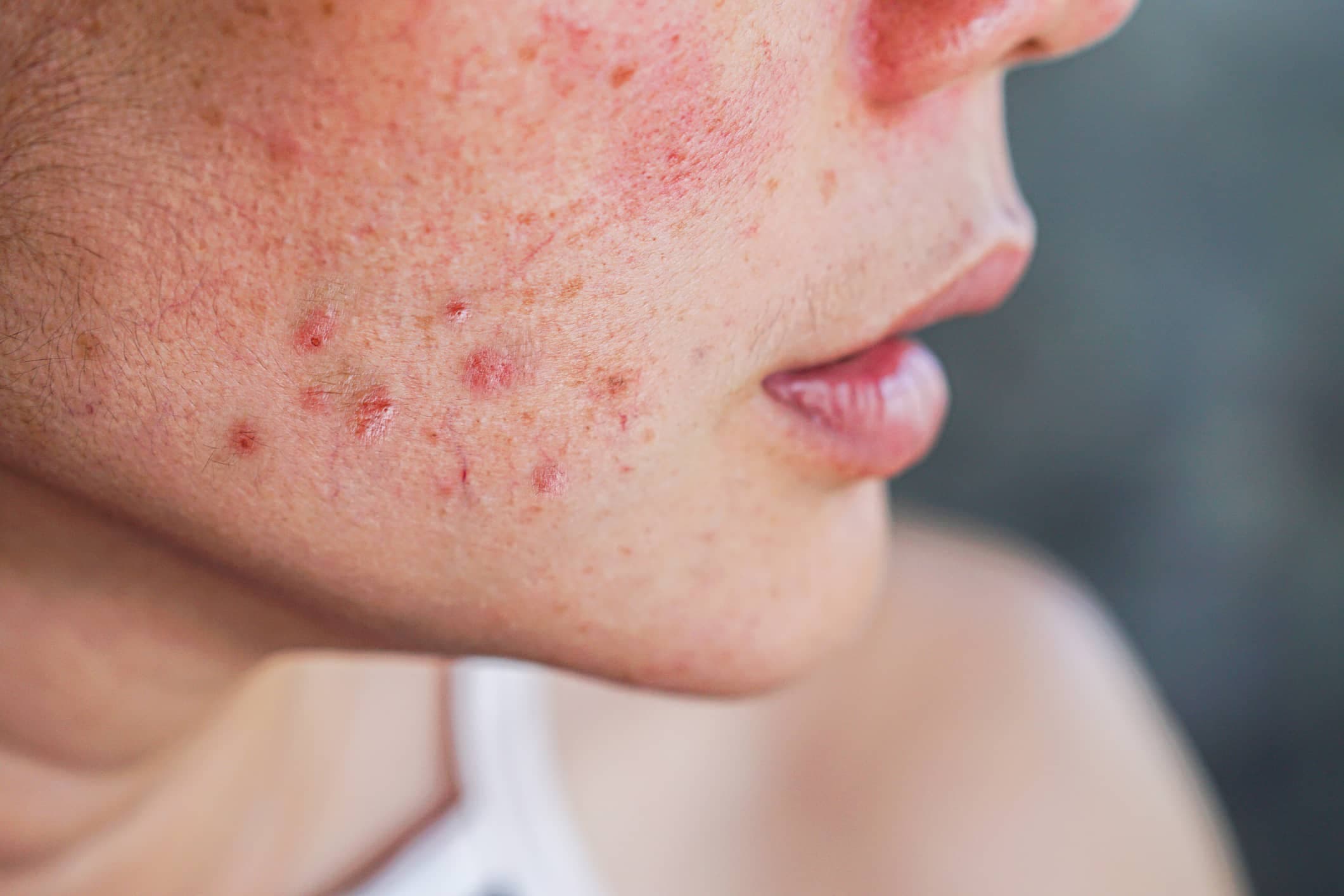
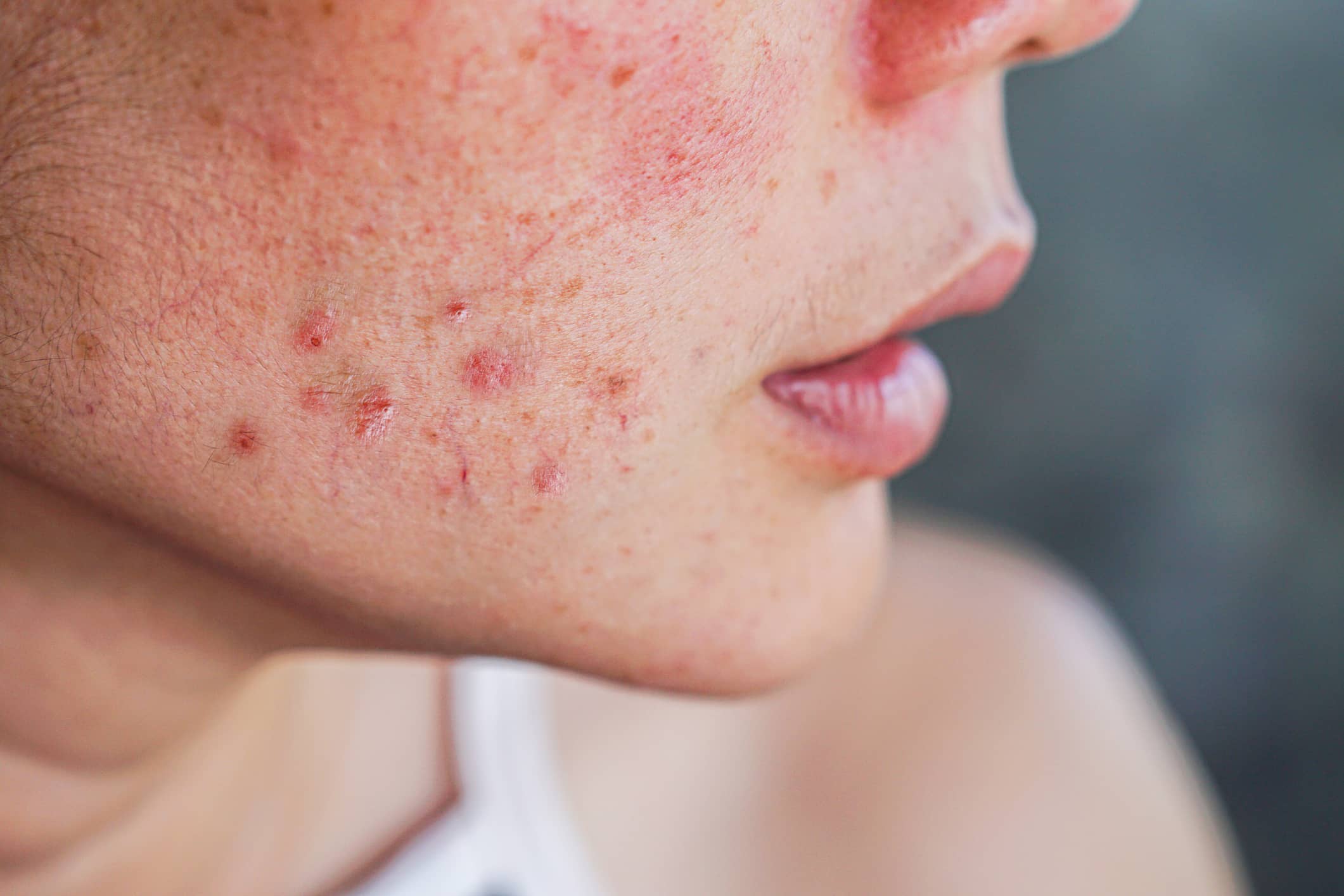
Acne due to hormonal imbalance
-
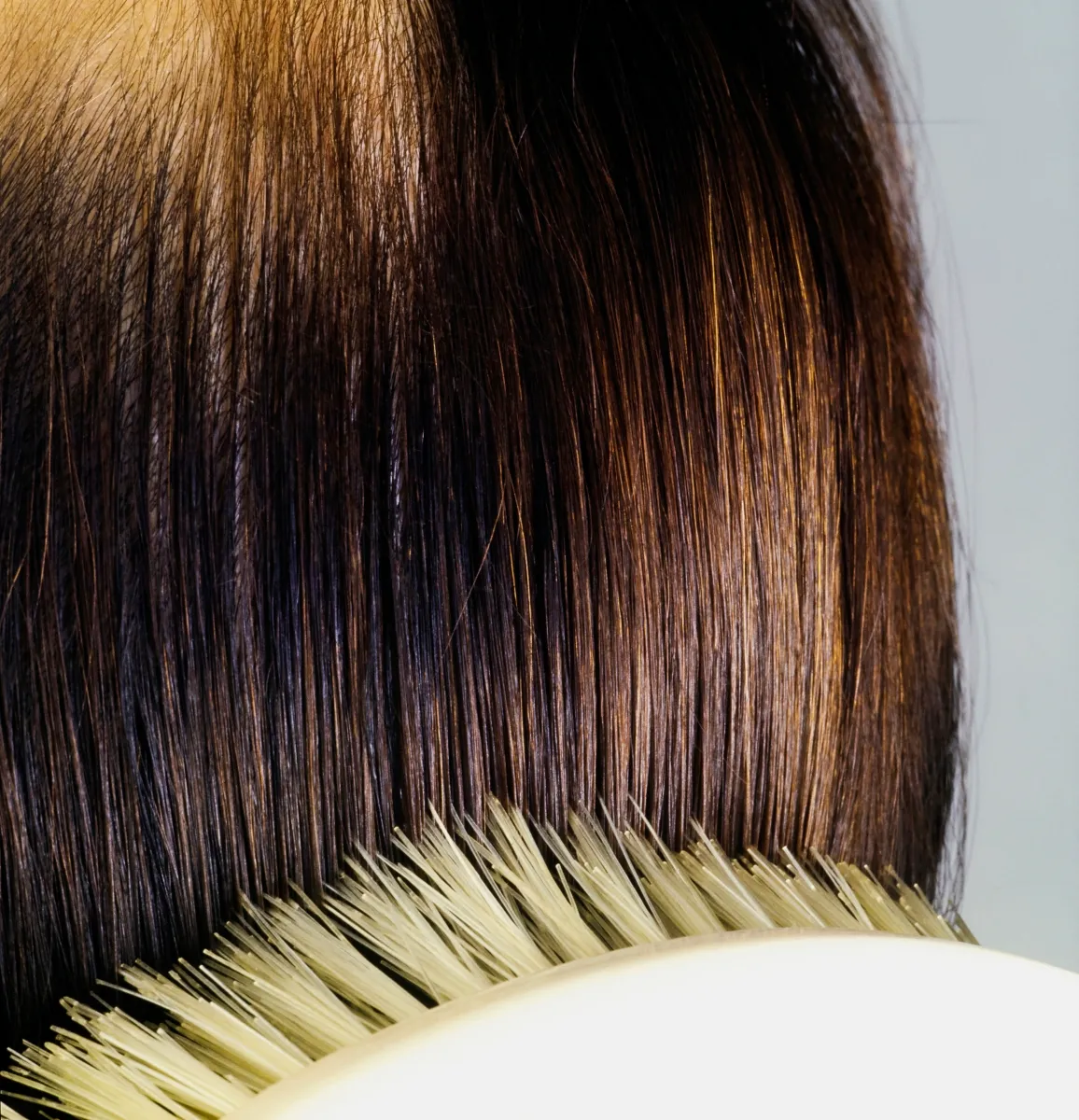
Hair thinning, graying
-
Increased facial/body hair in unusual areas
-
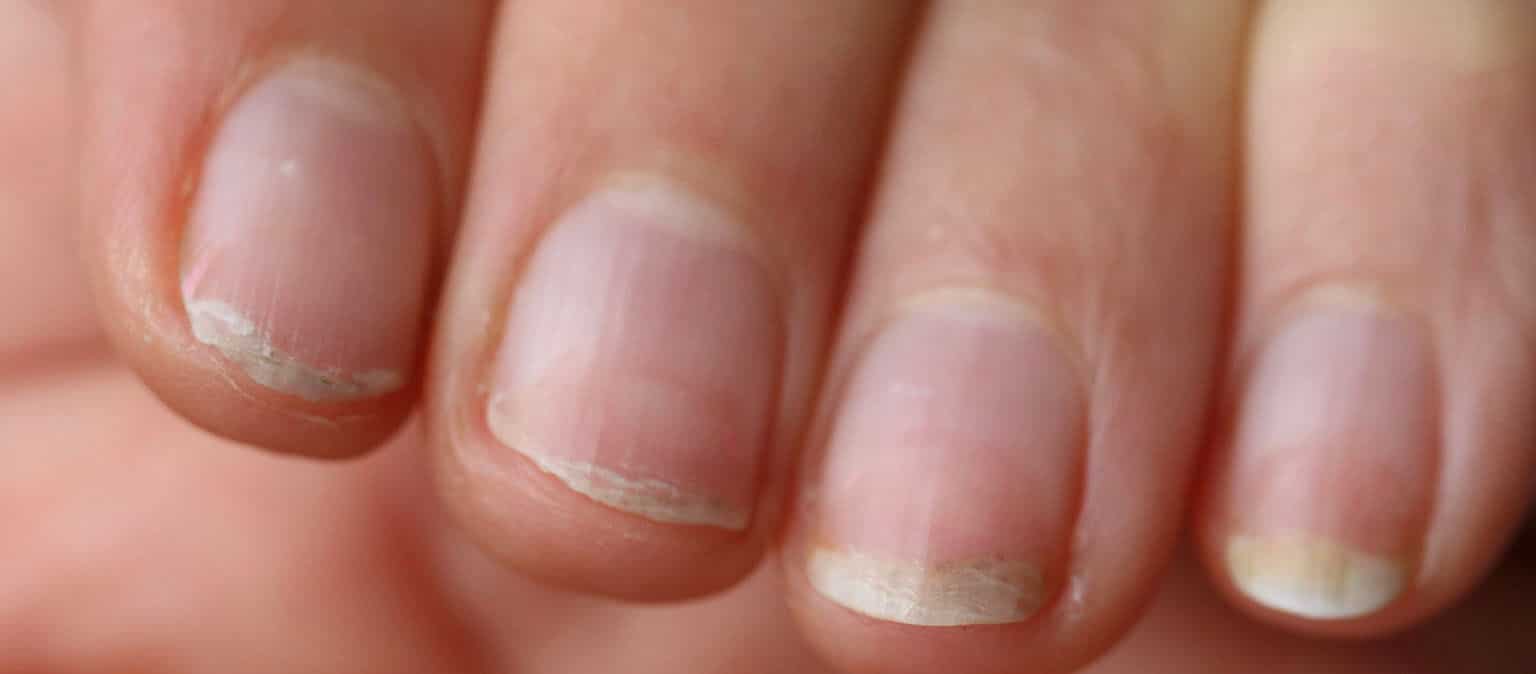
Brittle, splitting nails
When to See a Dermatologist
Consult a specialist if you experience:
-
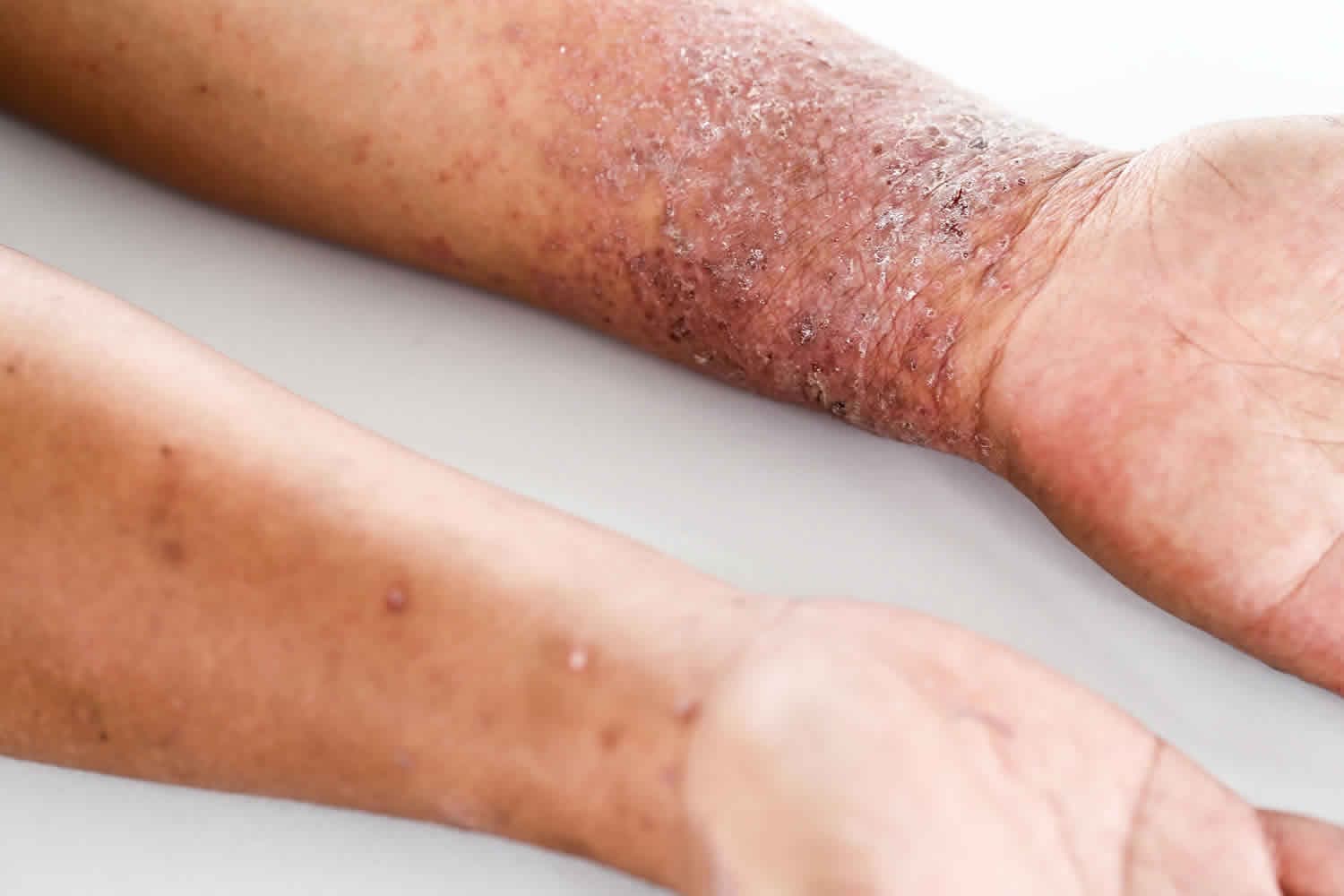
Persistent itching, redness, or dryness
-
Significant hair loss or signs of balding
-
Acne that doesn’t respond to regular care
-
Nail changes that interfere with daily life
Diagnosis
A dermatologist will assess your skin’s condition during a consultation and may recommend hormonal or lab tests if needed.
Treatment Options
Every woman experiences menopause differently, and treatment should be tailored accordingly. A dermatologist can recommend the best skin care plan based on your needs.
-
Dermocosmetics: Moisturizers, collagen-boosting serums, barrier-repair creams
-
Aesthetic treatments: Biorevitalization, PRP therapy, mesotherapy
-
Lifestyle improvements: Balanced diet, hydration, sun protection (SPF)
Aftercare and Prevention
-
Use daily moisturizers with hyaluronic acid or ceramides
-
Avoid harsh cleansing agents
-
Schedule regular skin checkups with a dermatologist
-
Take omega-3 fatty acids and antioxidants
Frequently Asked Questions (FAQ)
Are skin changes during menopause inevitable?
No. With proper care and expert help, they can be significantly reduced.
Can wrinkles be completely prevented?
Not entirely, but it's possible to slow their development and improve skin texture.
Which procedures are most effective during menopause?
PRP, mesotherapy, hyaluronic acid injections, and advanced dermocosmetics.
Conclusion
Menopause is inevitable, but its effects on the skin can be minimized with expert guidance and personalized skin care. If you notice unwanted changes, consult iDerma specialists for tailored support.