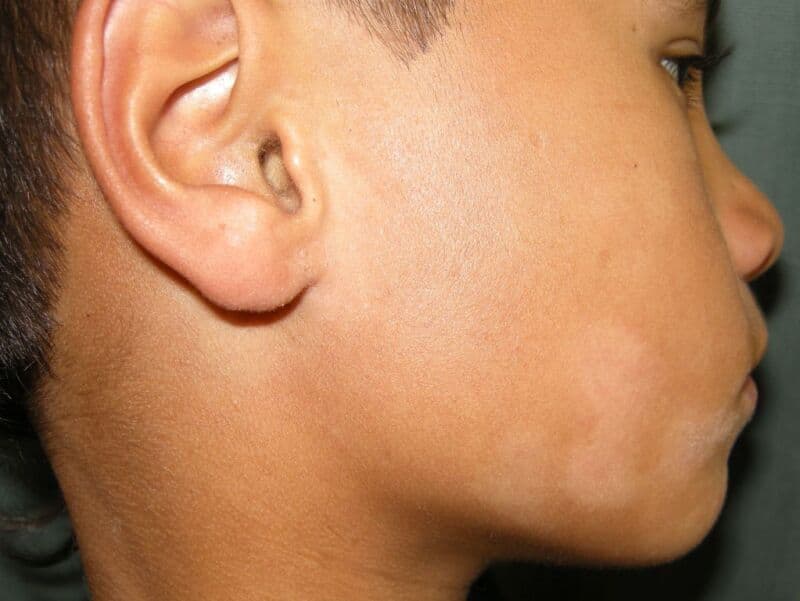
Pityriasis alba is a common, benign skin condition that often appears as light-colored patches on the skin. It is considered a mild form of atopic dermatitis (eczema) and most commonly affects children and young adults.
Causes
The exact cause of pityriasis alba is not fully known. It is a non-contagious condition and often occurs in people with atopic tendencies — those prone to allergies, asthma, or eczema.
Key facts:
-
Most common among children under 12 years and young adults
-
Slightly more frequent in boys than girls
-
More noticeable in people with darker skin tones
-
May worsen during cold or dry weather due to skin dryness
Clinical Features
Typical signs of pityriasis alba include:
-
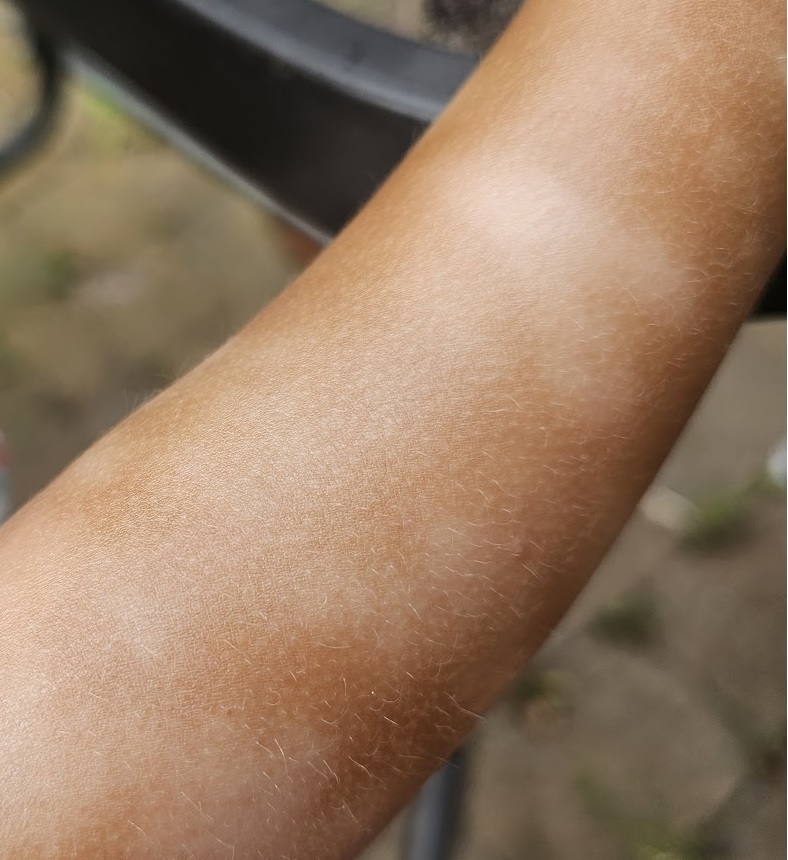
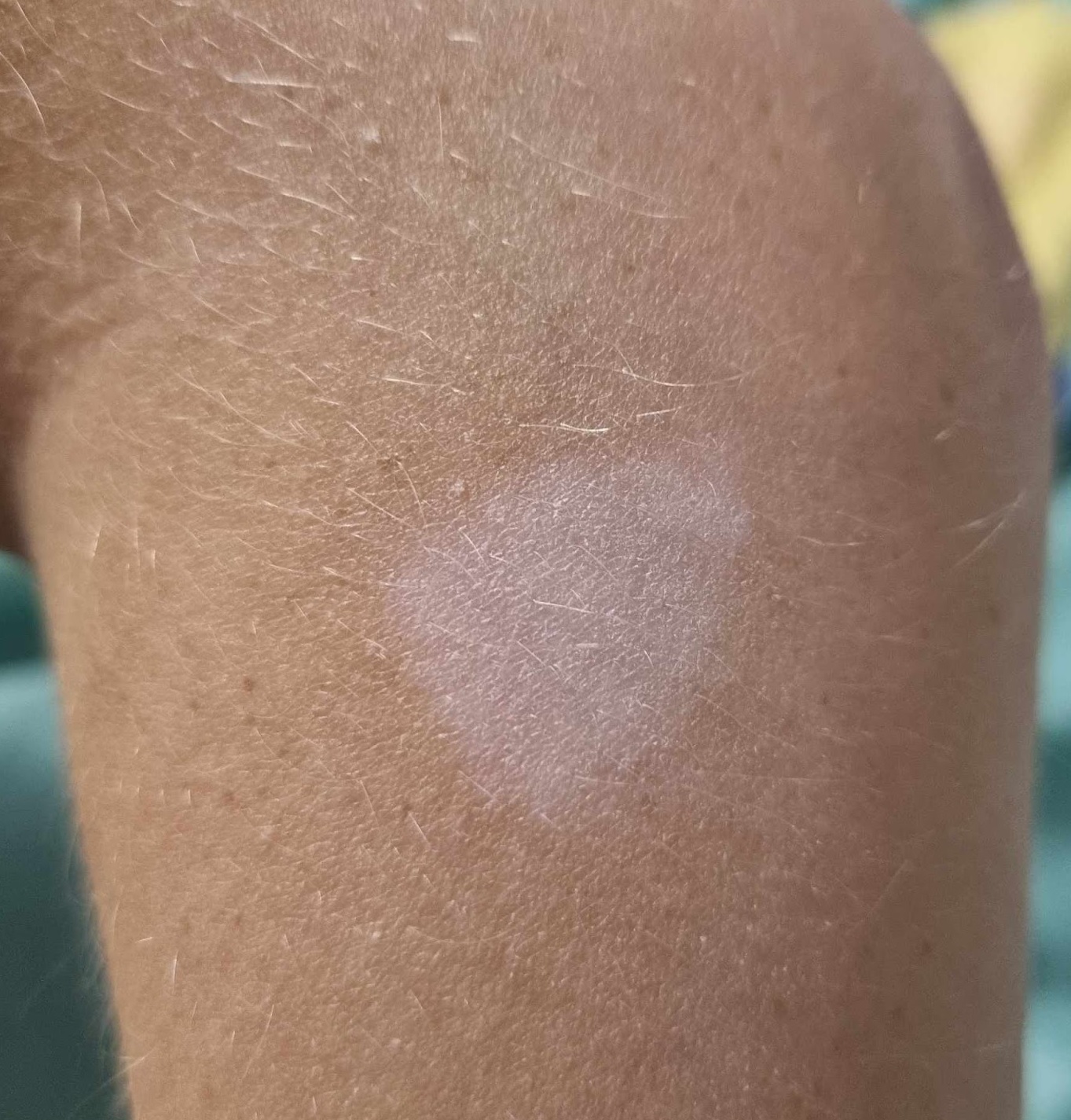
Hypopigmented (lighter) patches compared to surrounding skin
-
Round or oval shape, with poorly defined borders, ranging from 0.5 to 5 cm in diameter
-
May be slightly red or scaly at the beginning
-
Mild itching can occur but is not always present
-
Common locations: face, neck, arms, and upper body
Examples:
-
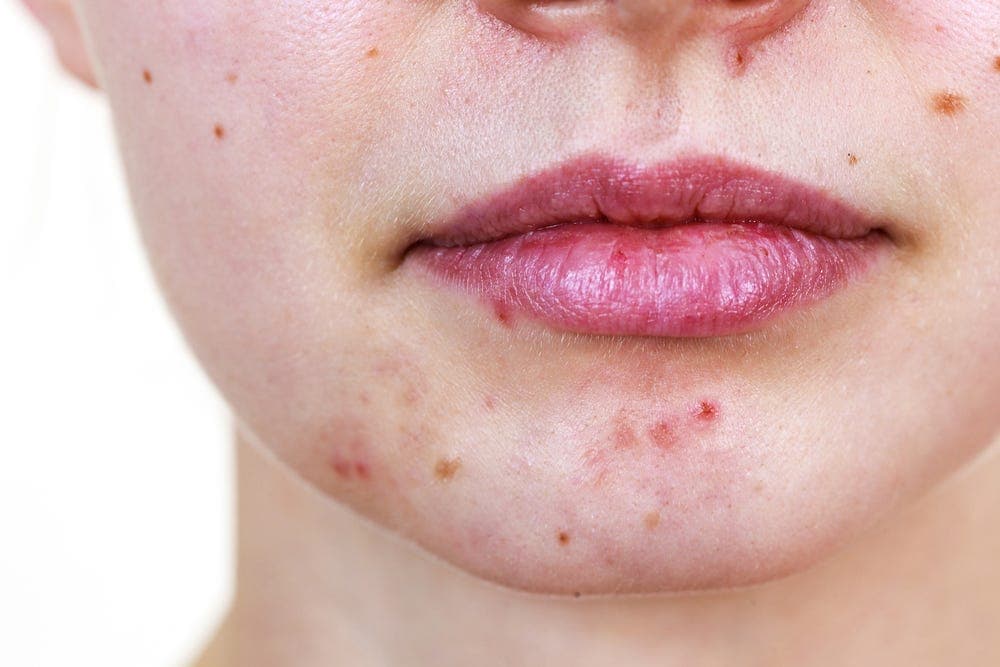
White patch on a child’s cheek – a sign of a mild form of atopic dermatitis
-
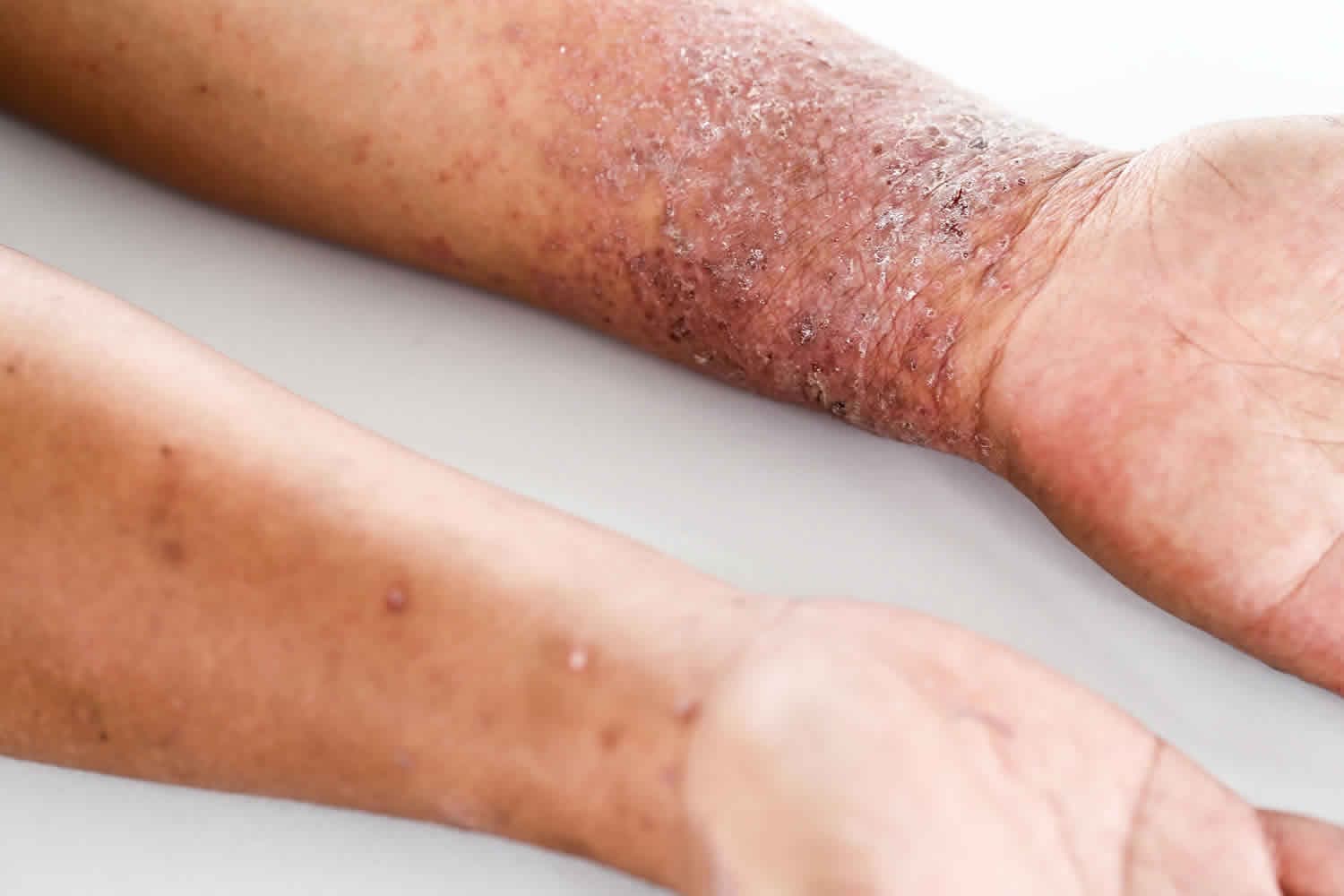
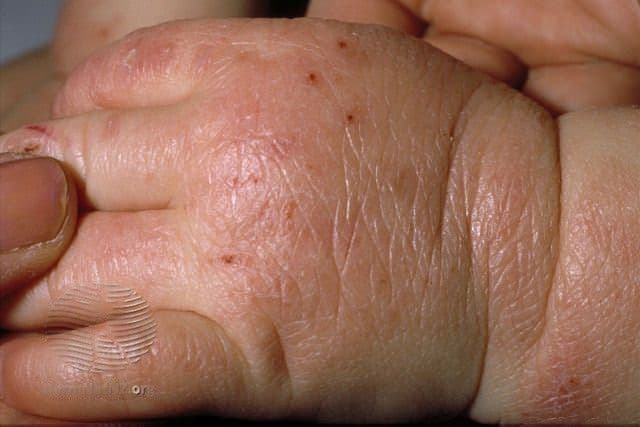
Light patches on the arms – typical presentation of pityriasis alba
ARTICLE_GIF
Diagnosis
Diagnosis is usually made based on physical examination and patient history. In most cases, no additional tests are needed. However, to rule out other skin conditions, the dermatologist may perform:
-
Wood’s lamp examination (to differentiate from fungal infections)
-
Skin scraping for microscopic examination
-
Skin biopsy (rarely needed)
-
Dermatoscopy
You can also consult a dermatologist online to receive evaluation, recommendations, and treatment without leaving your home.
Treatment and Prognosis
A dermatologist creates an individual treatment plan for each patient. Treatment usually focuses on restoring skin moisture and reducing inflammation.
Treatment options include:
-
Topical corticosteroid creams or ointments (for redness or inflammation)
-
Moisturizing creams and emollients (to hydrate dry skin)
-
Topical vitamin D–based creams (to help even out skin tone)
-
Topical non-steroidal anti-inflammatory creams (calcineurin inhibitors) a dermatologist may prescribe
-
In rare cases – phototherapy or photochemotherapy
Additional advice:
-
Avoid excessive sun exposure
-
Use broad-spectrum sunscreens (SPF 30+) daily
-
Keep skin well-moisturized and avoid harsh soaps or irritants
Prognosis
The condition is harmless and often resolves spontaneously. Normal skin pigmentation usually returns within several months to a few years, even without treatment.