Online dermatologist for people in Birmingham
Online dermatologist for people in Birmingham
- Detailed skin assessment
- Treatment recommendations
Personalised treatment plan
Consultation within 24 hours
All age groups • children, women and men
100% money-back guarantee

How does it work?
Your dermatologist sends the consultation by email within 24 hours (48 hours at weekends and on bank holidays). It explains your skin problem, its likely causes and a personalised treatment plan. If your case needs a physical examination or tests, the doctor will say so and recommend the next steps with your GP or a local service.
Remote consultation prices
Seeing a dermatologist in Birmingham
Birmingham and the wider West Midlands have more than one NHS dermatology service, and the route you take depends partly on where you live in the city. For many people the hard part is the wait, and the journey across a large city for a short appointment.
The public route
On the NHS you start with your GP. In Birmingham, hospital dermatology is provided by more than one trust. The Birmingham Skin Centre, on the third floor of the Sheldon Block at City Health Campus, is run by Sandwell and West Birmingham NHS Trust and covers areas such as phototherapy, dermatological surgery, children's skin clinics and contact dermatitis. University Hospitals Birmingham NHS Foundation Trust also has a dermatology department, and it says GP referrals go through the advice and guidance function on the NHS e-Referral Service before a referral is made. England's standard is that 92% of patients should wait no more than 18 weeks from referral; the national figure across all specialties was 65.8% in September 2026. Waits vary by trust and by urgency, so ask your GP what to expect.
Going private
Private dermatologists work in Birmingham as well, and many accept self-pay bookings without a GP letter, though some consultants ask for one, so check before you book. On the clinic price pages we reviewed (London, Belfast and Norwich), an initial consultation ran from about £220 to £270 as of November 2026, and tests or procedures are usually charged separately.
When an online consultation makes sense
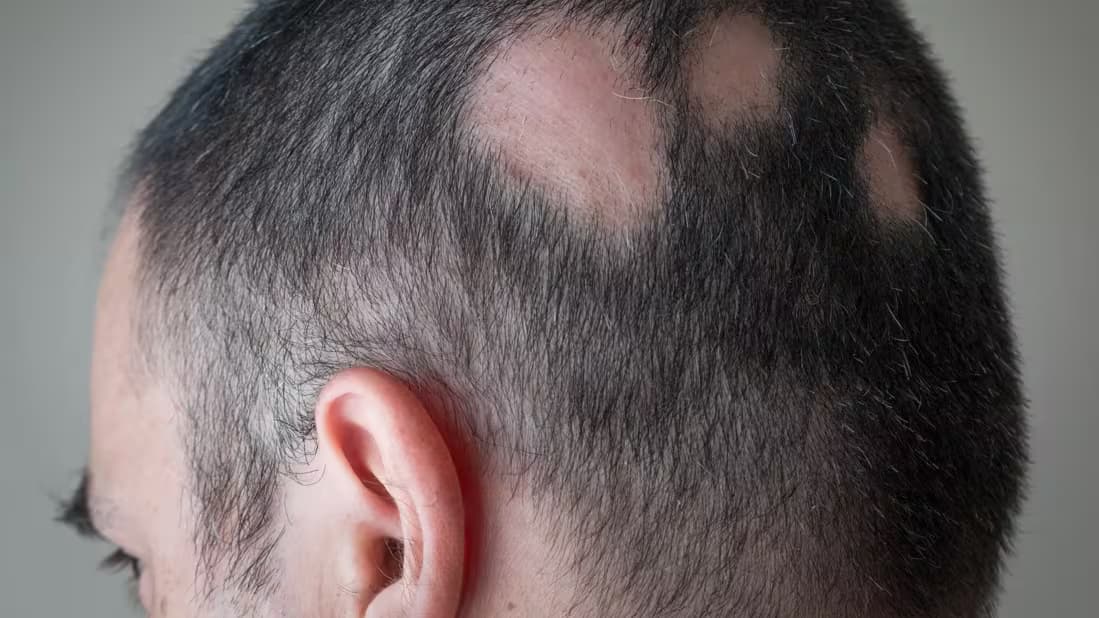
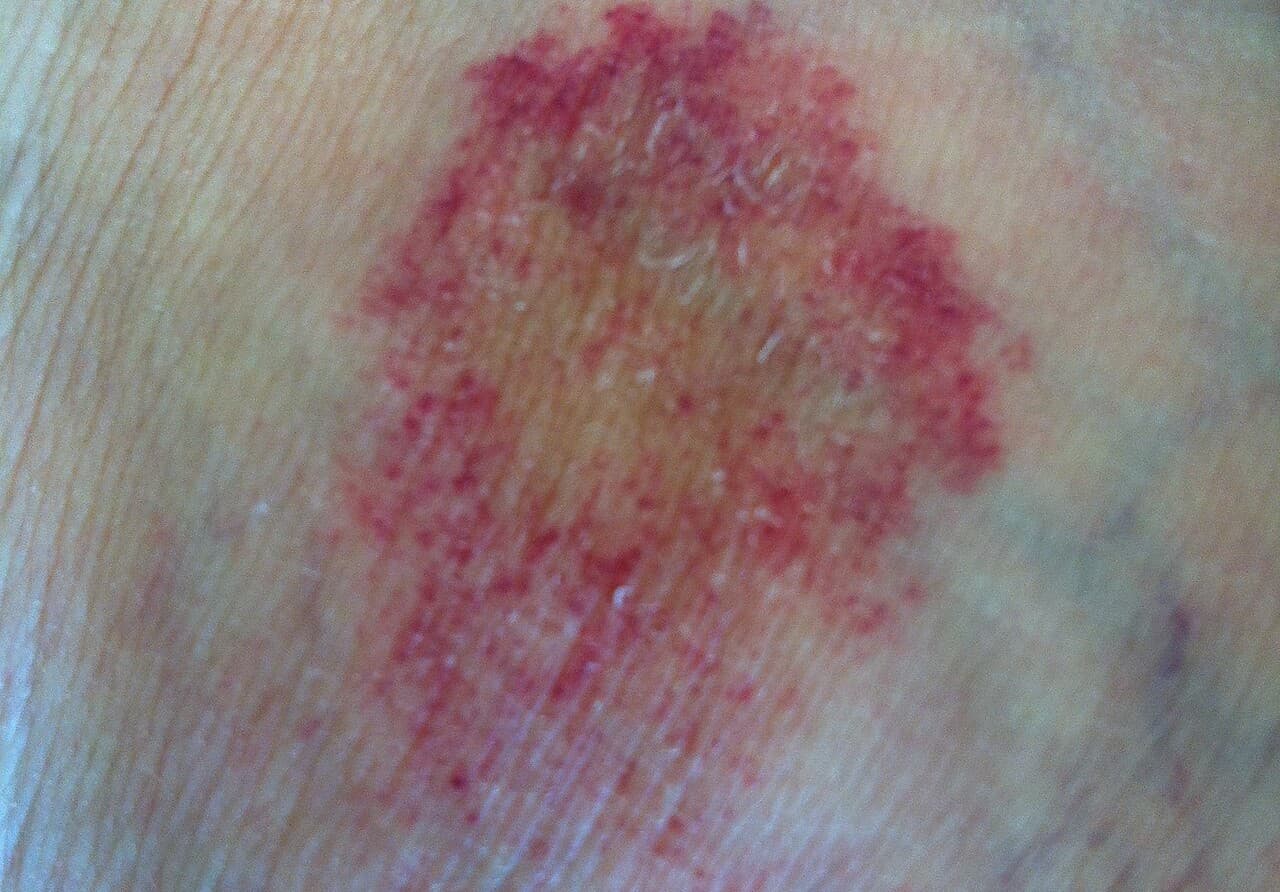
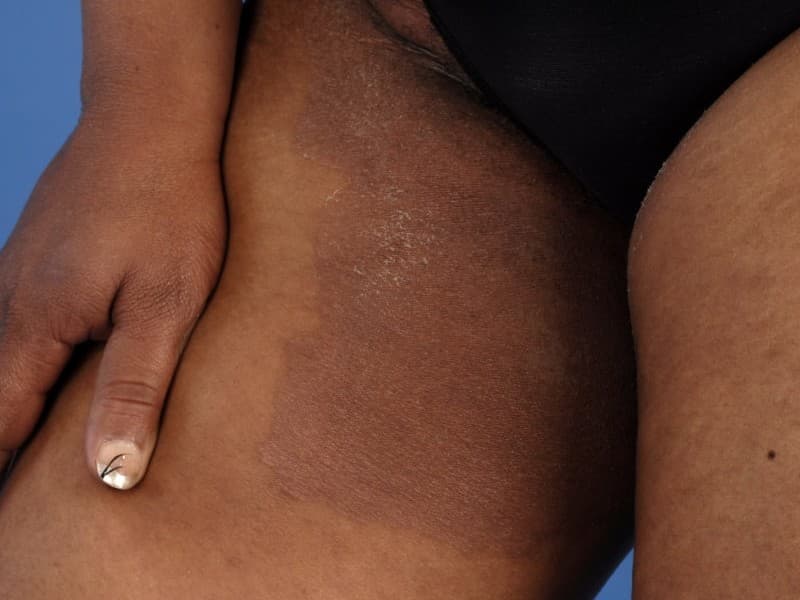
Photos are often enough for rashes, acne, eczema, psoriasis, rosacea and hair or scalp problems, for a second opinion, or for advice while you wait for a public appointment. iDerma is a private online service, separate from the NHS, and it does not replace your GP; our dermatologists are licensed in the EU (not UK-registered).
When you should be seen in person
Online care is not right for everything. Get in-person help for:
- A rash that does not fade when you press a glass against it: call 999 now
- A fast-spreading rash with fever, or feeling very unwell
- Blistering or peeling skin, or sores in the mouth or eyes
- Signs of infection: spreading redness, heat, swelling or pus
- A new, changing or bleeding mole or spot, or a new dark streak in a nail: see your GP in person
If your GP is closed, use NHS 111 online or by phone. In an emergency, call 999 or go to your nearest A&E department.
Frequently asked questions
How soon will I get an answer?
- Initial consultation – within 24 hours (48 hours at weekends and on public holidays).
- Urgent consultation – within 12 hours.
- Follow-up consultation – within 7 days. It’s handled by the same doctor you consulted before.
Why can a follow-up consultation take up to 7 days?
Your follow-up is handled by the same doctor you consulted before. They compare your new photos with the first ones and know which treatment was recommended and why, so they fine-tune it instead of starting from scratch. Because our doctors work scheduled duty shifts, you’ll get your answer on your doctor’s next shift – often in less than 7 days.
How much does a consultation cost?
- Initial consultation – £49
- Follow-up consultation – £35
- Urgent consultation – £85
What if my case can’t be assessed remotely?
If the doctor decides your case can’t be assessed remotely, we’ll refund the full amount – that’s our 100% money-back guarantee.
What photos do I need?
Phone photos are enough: at least 3, ideally 6. Take one from further away so the whole area is visible, and the others up close. Shoot in daylight; the skin should be clean, with nothing applied.