Online dermatologist for people in London
Online dermatologist for people in London
- Detailed skin assessment
- Treatment recommendations
Personalised treatment plan
Consultation within 24 hours
All age groups • children, women and men
100% money-back guarantee
How does it work?
Your dermatologist sends the consultation by email within 24 hours (48 hours at weekends and on bank holidays). It explains your skin problem, its likely causes and a personalised treatment plan. If your case needs a physical examination or tests, the doctor will say so and recommend the next steps with your GP or a local service.
Remote consultation prices
Seeing a dermatologist in London
London has some of the biggest hospital dermatology departments in the country, yet demand is high and a first appointment can still take a long time. Many people in the capital also find that travelling across the city for a short appointment is hard to fit around work. An online consultation is one way to get a specialist's written opinion from home.
The public route
On the NHS you normally start with your GP, who decides whether to refer you to a hospital dermatology service. Across London those services include St John's Institute of Dermatology at Guy's and St Thomas' NHS Foundation Trust, alongside departments at other trusts. In England the standard is that 92% of patients should start treatment within 18 weeks of referral; as of September 2026 the national figure across all specialties was 65.8%. A May 2026 analysis of NHS data reported by South West Londoner found more than 70,000 people on London's dermatology waiting list, none of the capital's 17 hospital trusts meeting the 92% standard, and an average dermatology wait that had risen from 6 weeks in 2014 to 14 weeks.
Going private
Many private dermatologists in London can be booked directly, although some ask for a GP letter, so check first. As of November 2026, one central London clinic lists an initial consultation at £270 and a follow-up at £220. Across the clinic price pages we reviewed (London, Belfast and Norwich), initial fees ran from about £220 to £270.
When an online consultation makes sense
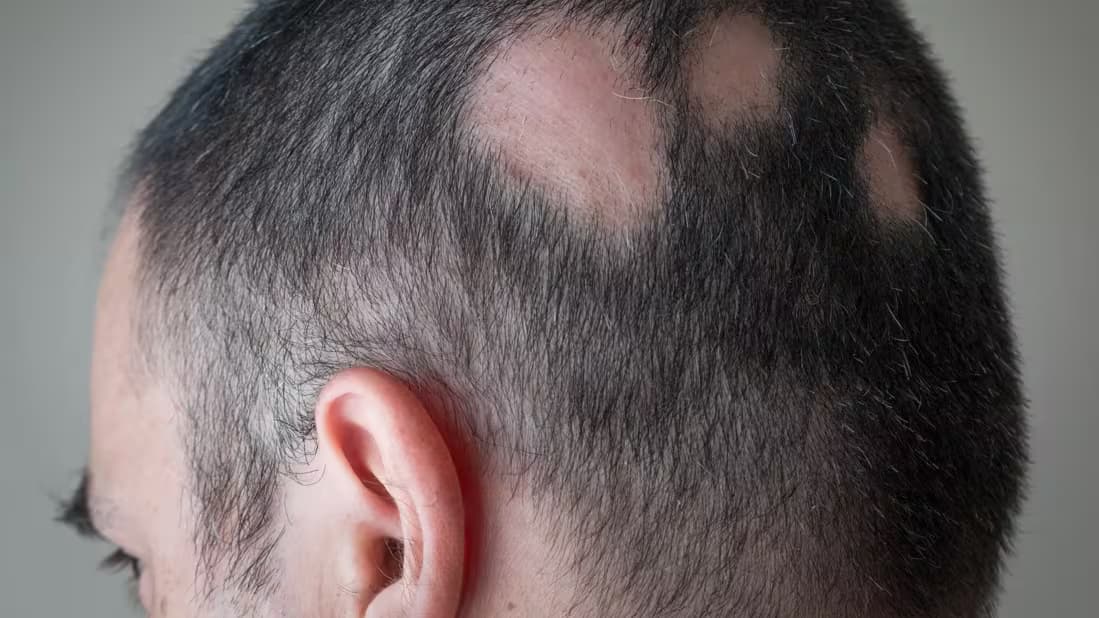
Photos are often enough for rashes, acne, eczema, psoriasis, rosacea and hair or scalp problems, for a second opinion, or for advice while you wait for a public appointment. iDerma is a private online service, separate from the NHS, and it does not replace your GP; our dermatologists are licensed in the EU (not UK-registered).
When you should be seen in person
Online care is not right for everything. Get in-person help for:
- A rash that does not fade when you press a glass against it: call 999 now
- A fast-spreading rash with fever, or feeling very unwell
- Blistering or peeling skin, or sores in the mouth or eyes
- Signs of infection: spreading redness, heat, swelling or pus
- A new, changing or bleeding mole or spot, or a new dark streak in a nail: see your GP in person
For urgent advice when your GP is closed, use NHS 111 online or by phone. In an emergency, call 999 or go to your nearest A&E department.
Frequently asked questions
How soon will I get an answer?
- Initial consultation – within 24 hours (48 hours at weekends and on public holidays).
- Urgent consultation – within 12 hours.
- Follow-up consultation – within 7 days. It’s handled by the same doctor you consulted before.
Why can a follow-up consultation take up to 7 days?
Your follow-up is handled by the same doctor you consulted before. They compare your new photos with the first ones and know which treatment was recommended and why, so they fine-tune it instead of starting from scratch. Because our doctors work scheduled duty shifts, you’ll get your answer on your doctor’s next shift – often in less than 7 days.
How much does a consultation cost?
- Initial consultation – £49
- Follow-up consultation – £35
- Urgent consultation – £85
What if my case can’t be assessed remotely?
If the doctor decides your case can’t be assessed remotely, we’ll refund the full amount – that’s our 100% money-back guarantee.
What photos do I need?
Phone photos are enough: at least 3, ideally 6. Take one from further away so the whole area is visible, and the others up close. Shoot in daylight; the skin should be clean, with nothing applied.